{{ s.value }}
{{ s.label }}
01 · Capabilities

{{ c.title }}

{{ c.body }}

02 · The Project

Auto-Cart: it follows you

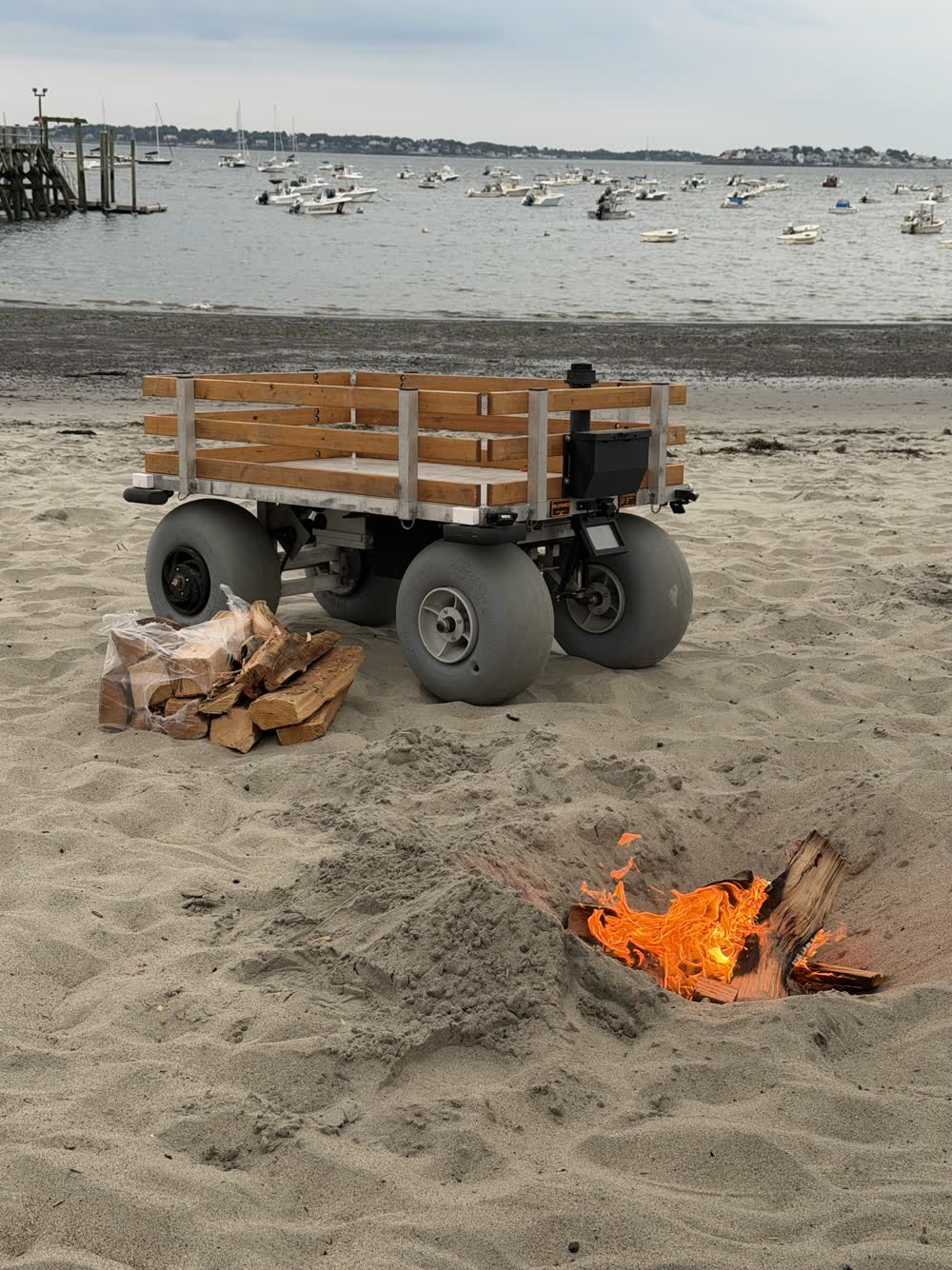
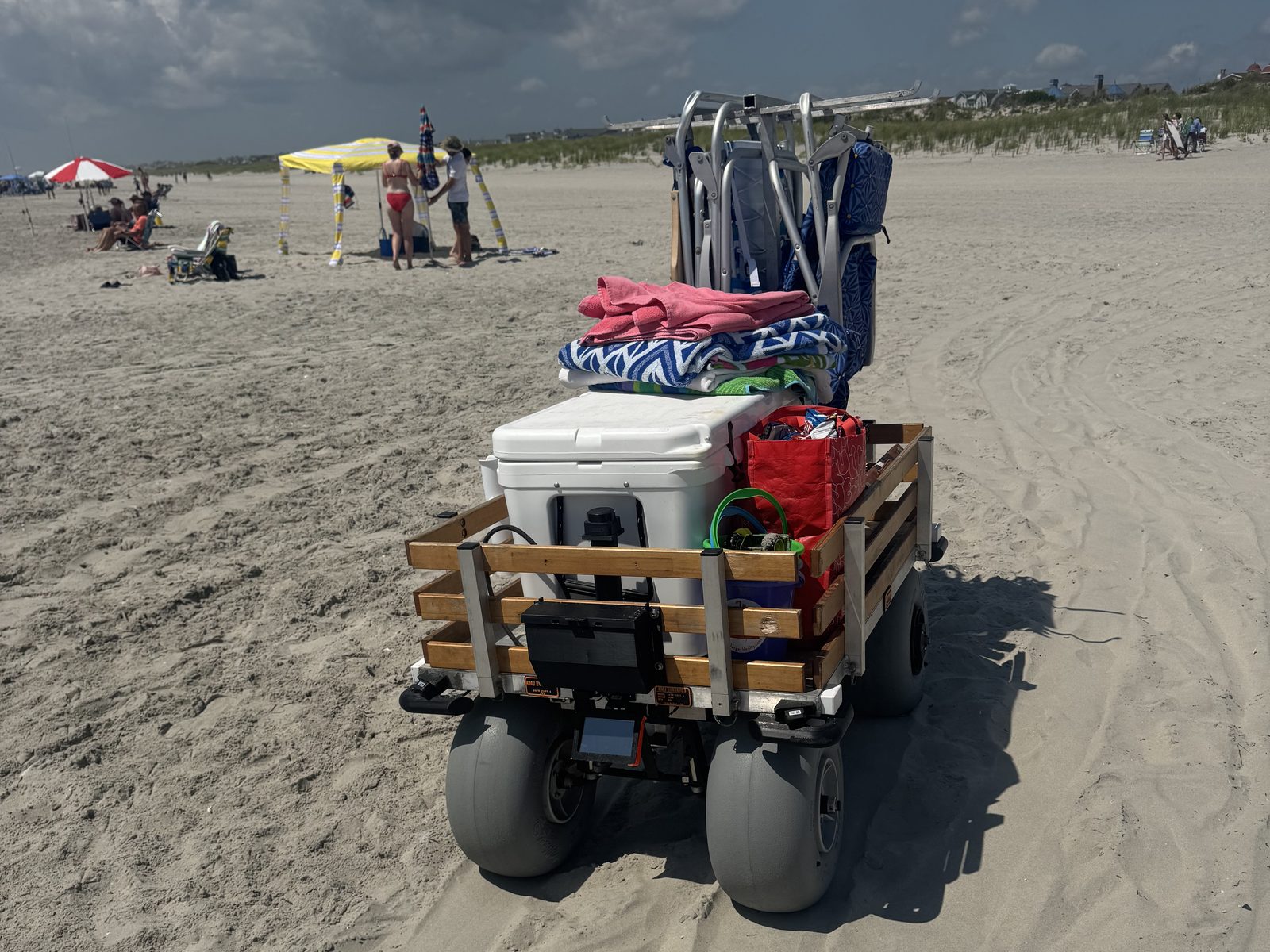
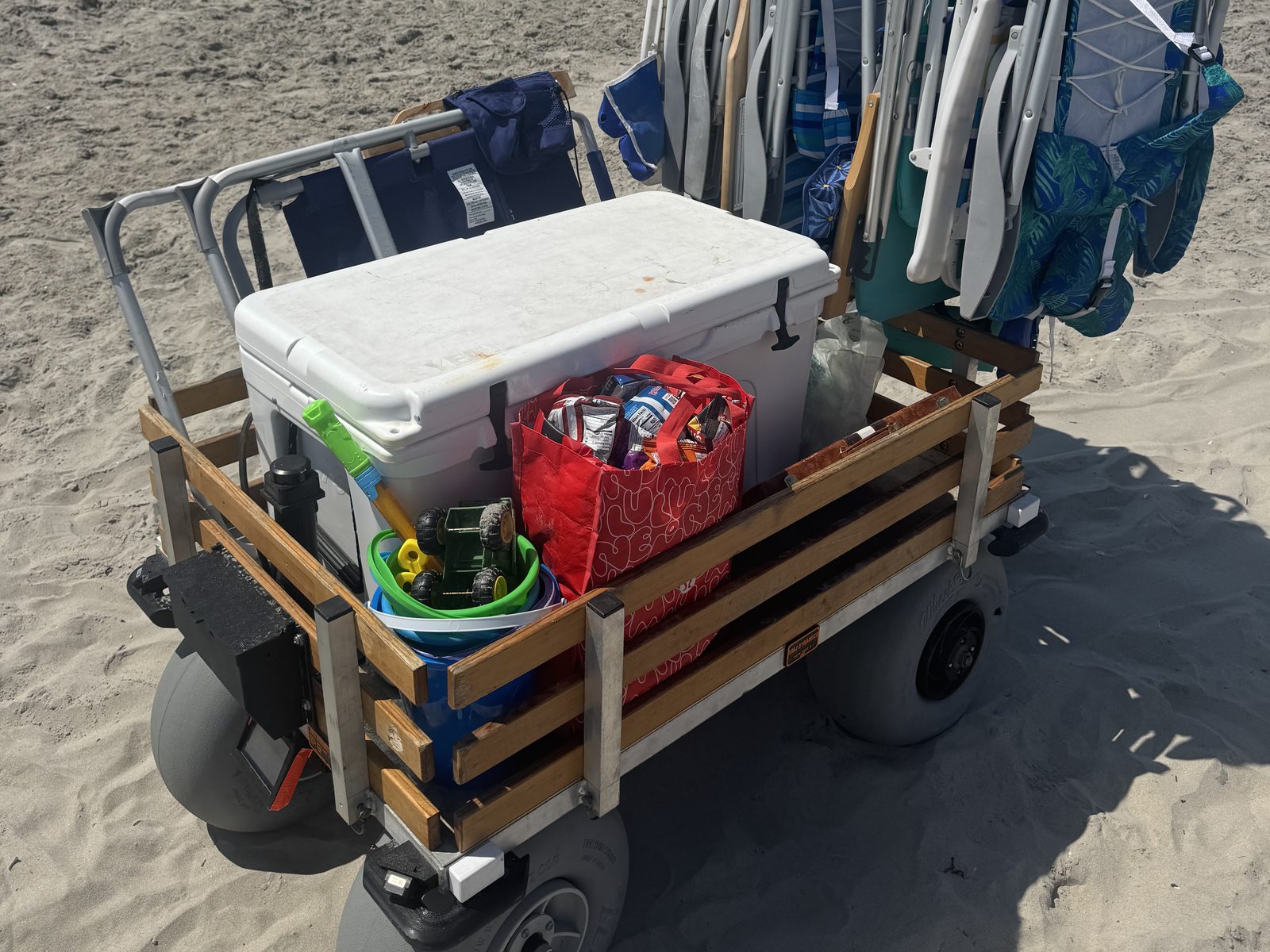
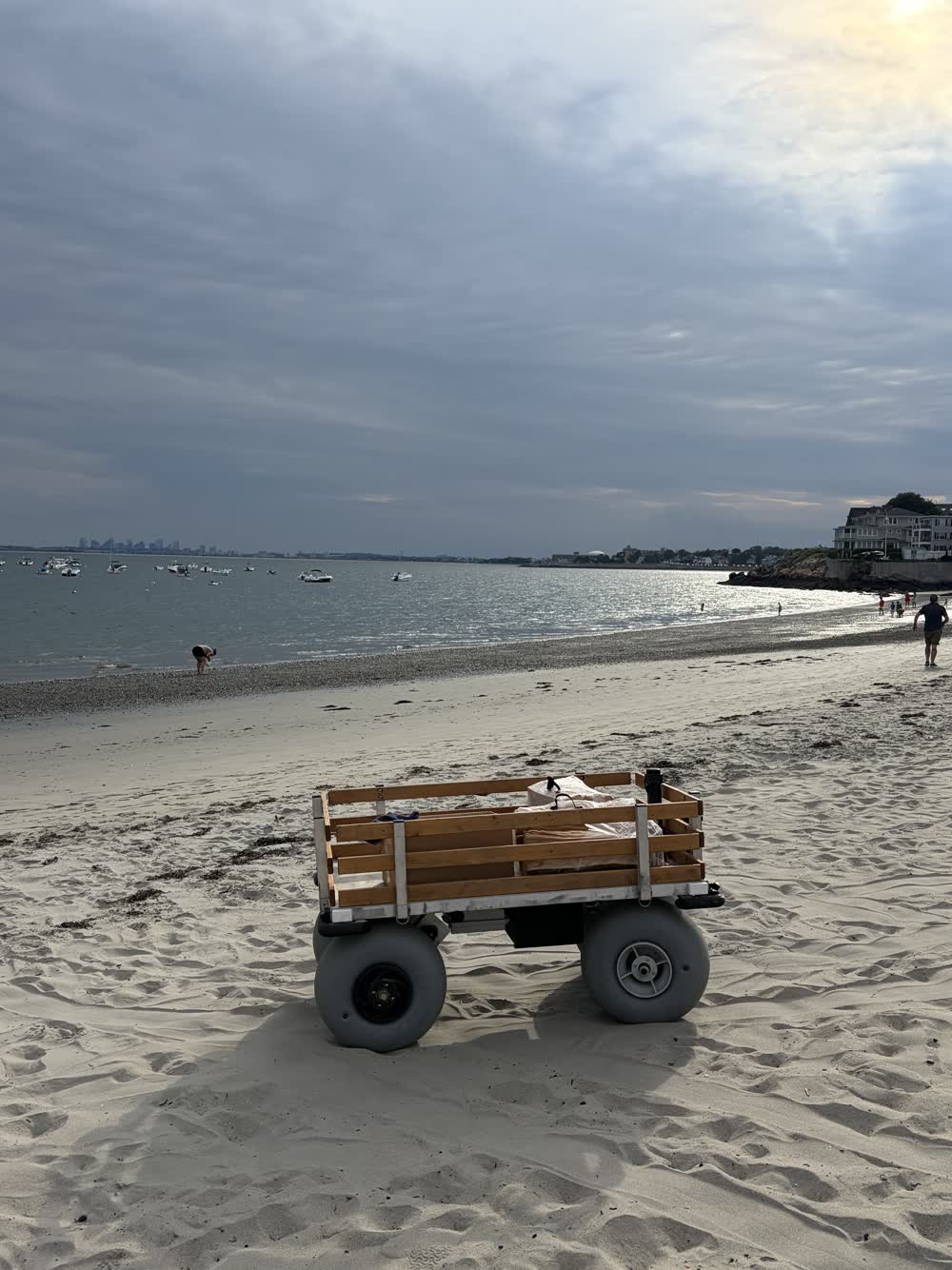
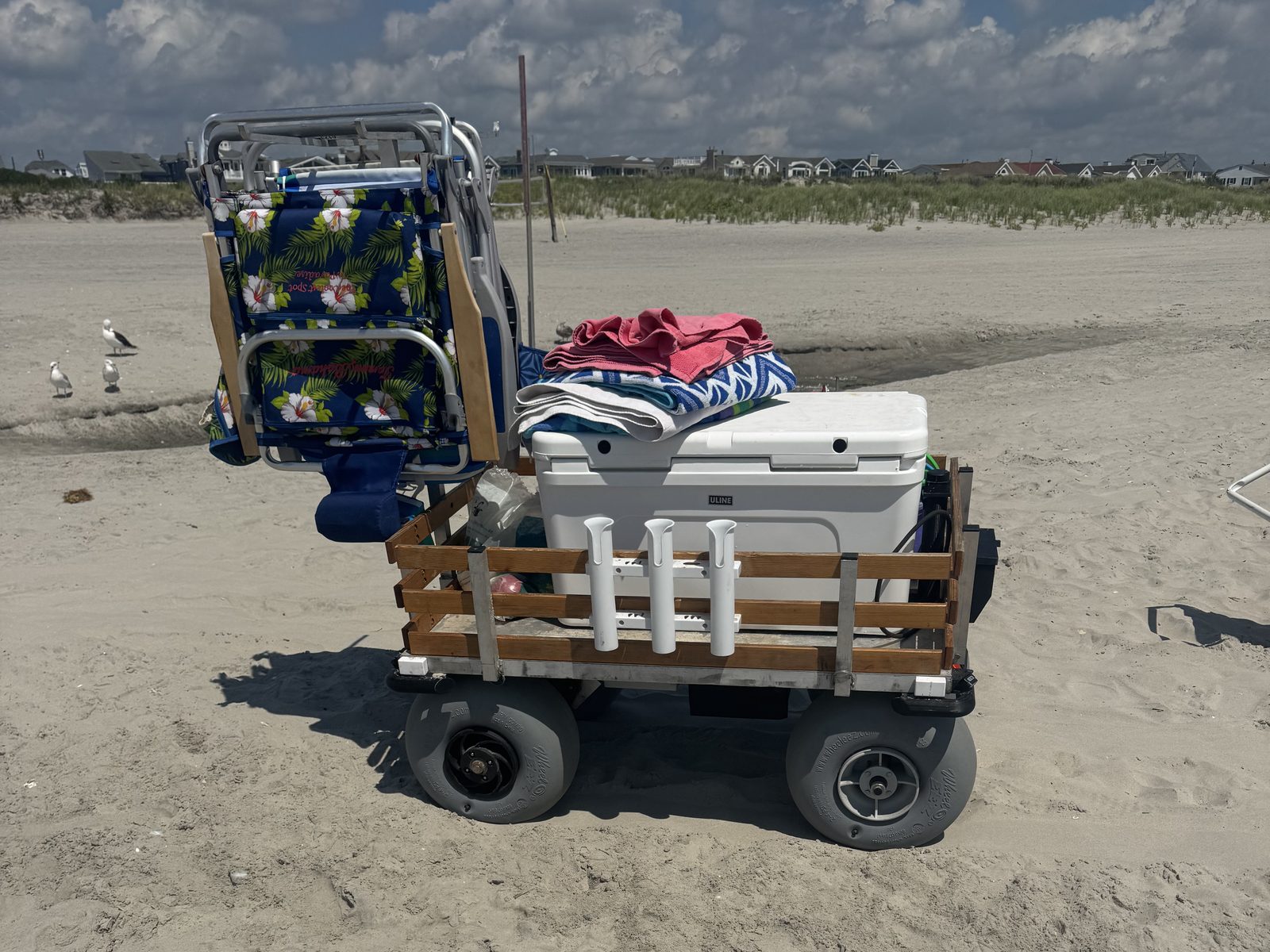
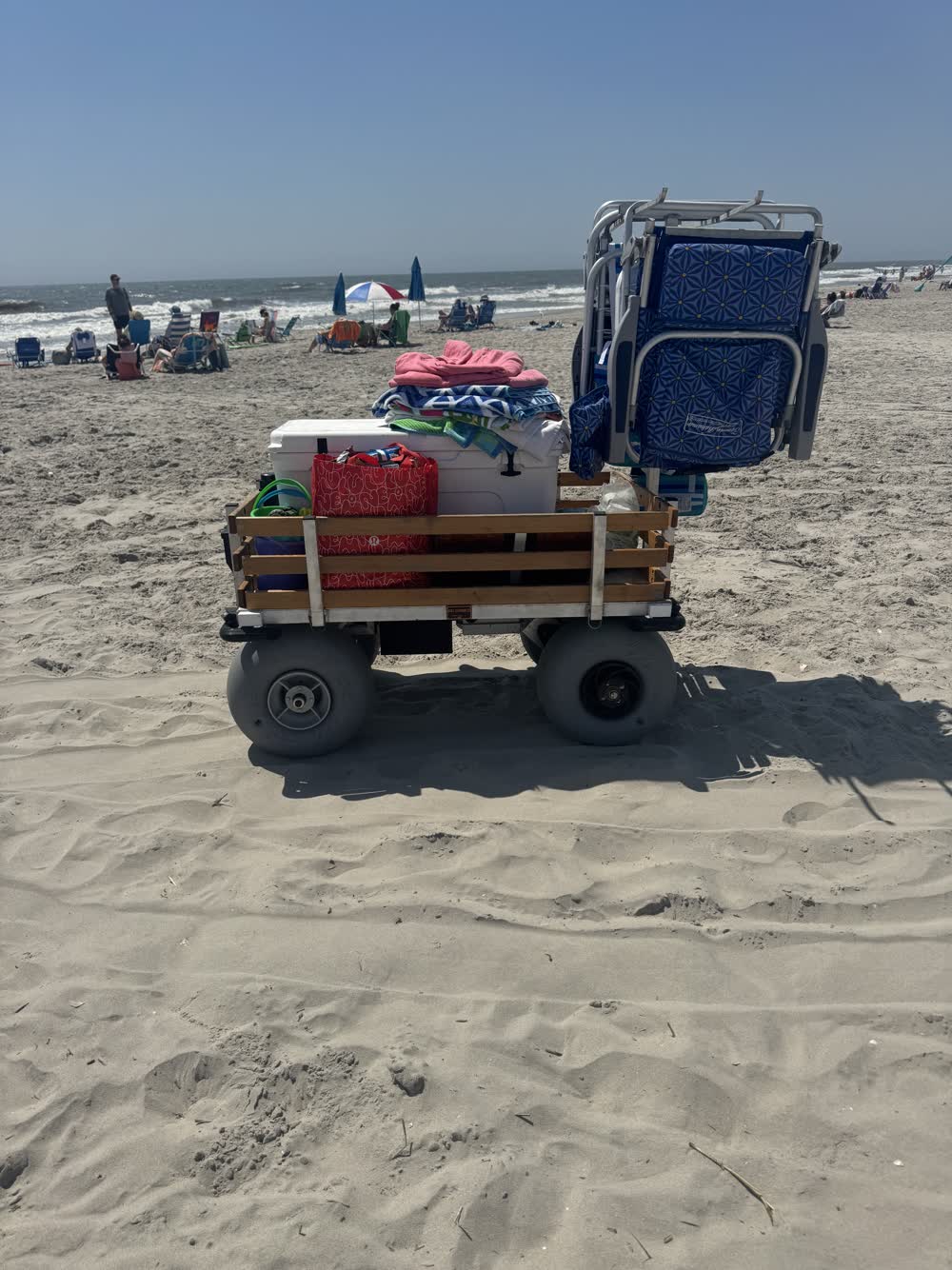
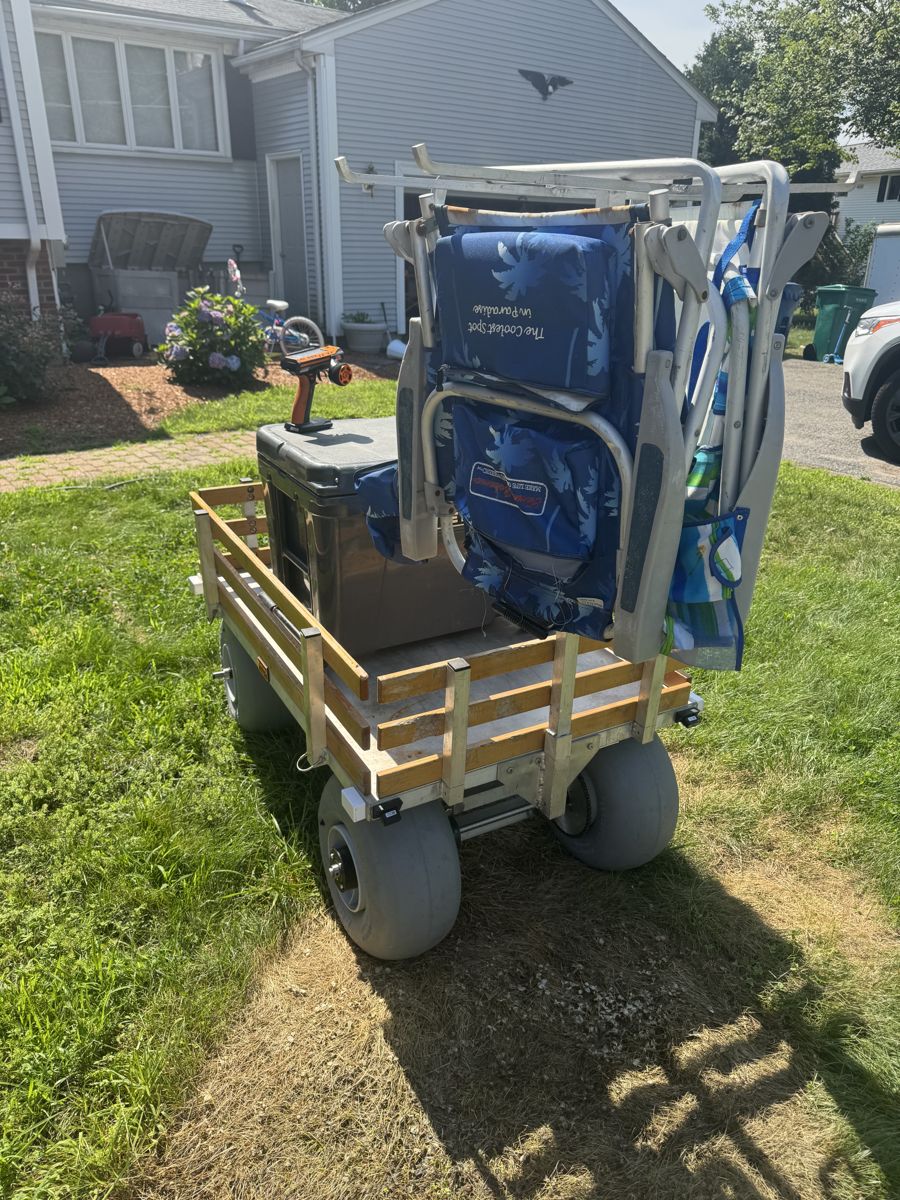
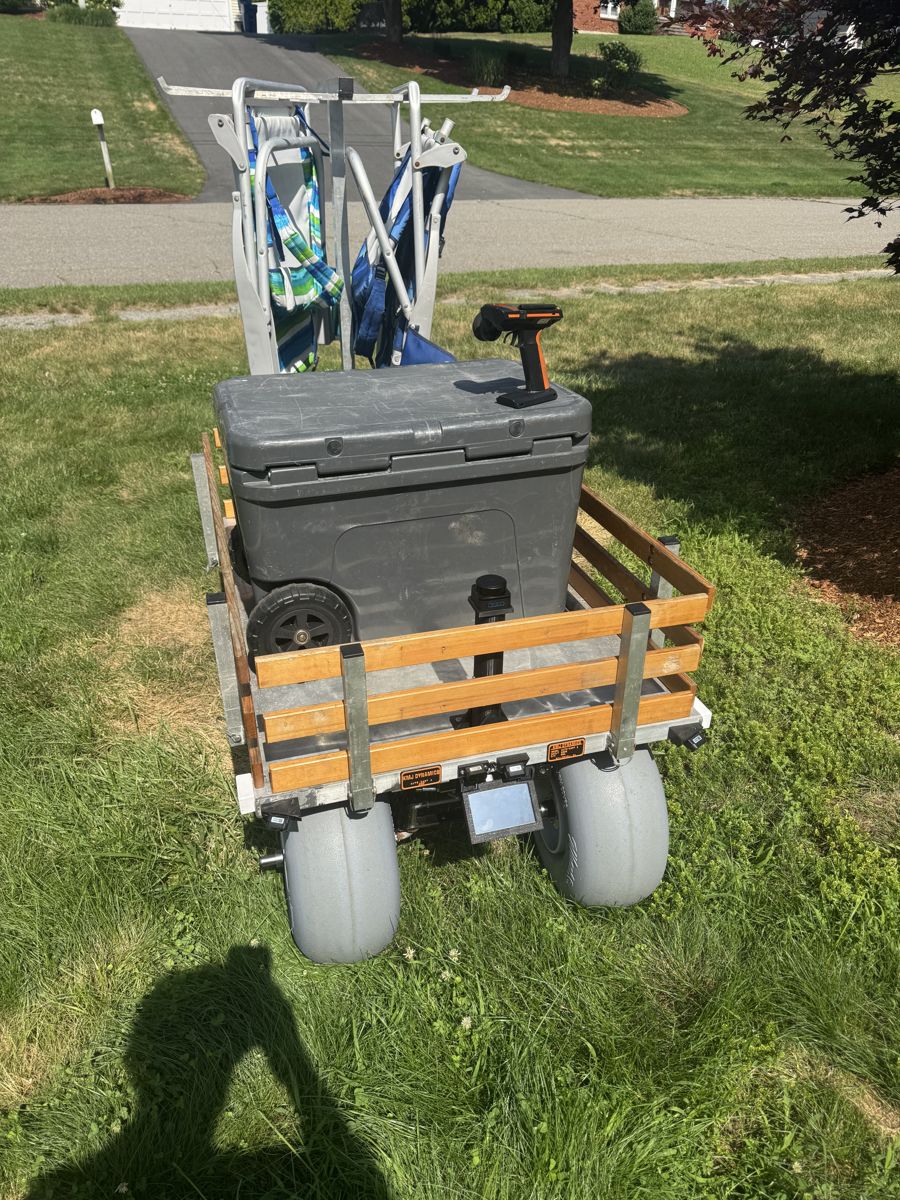
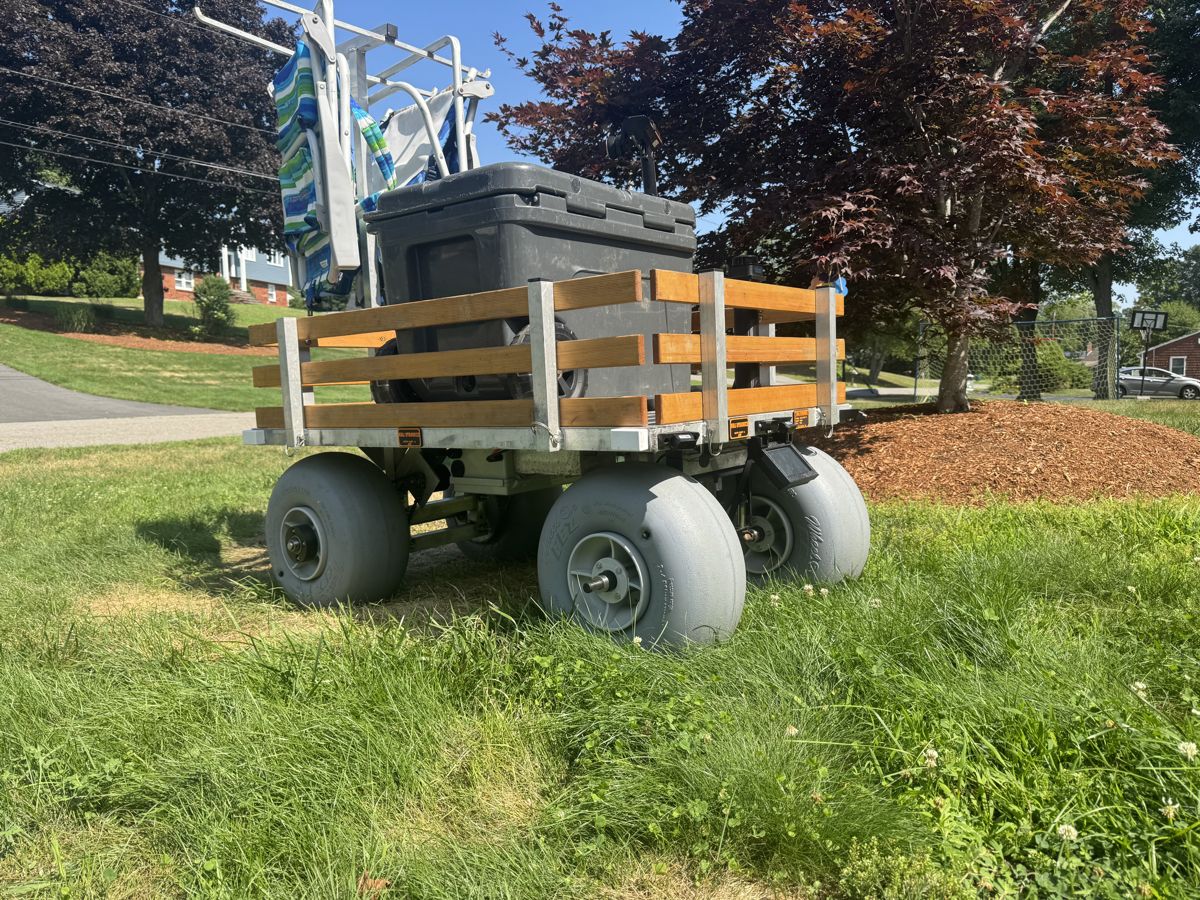
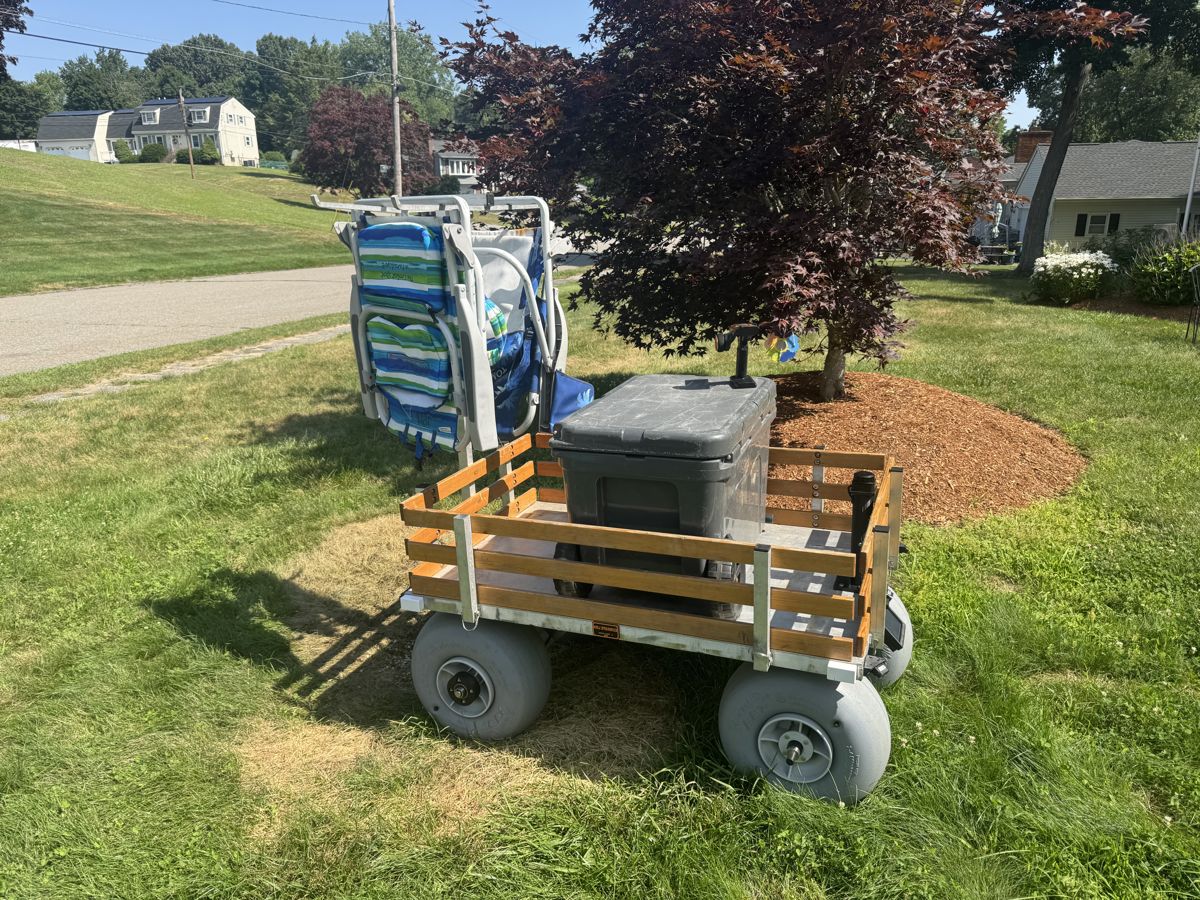
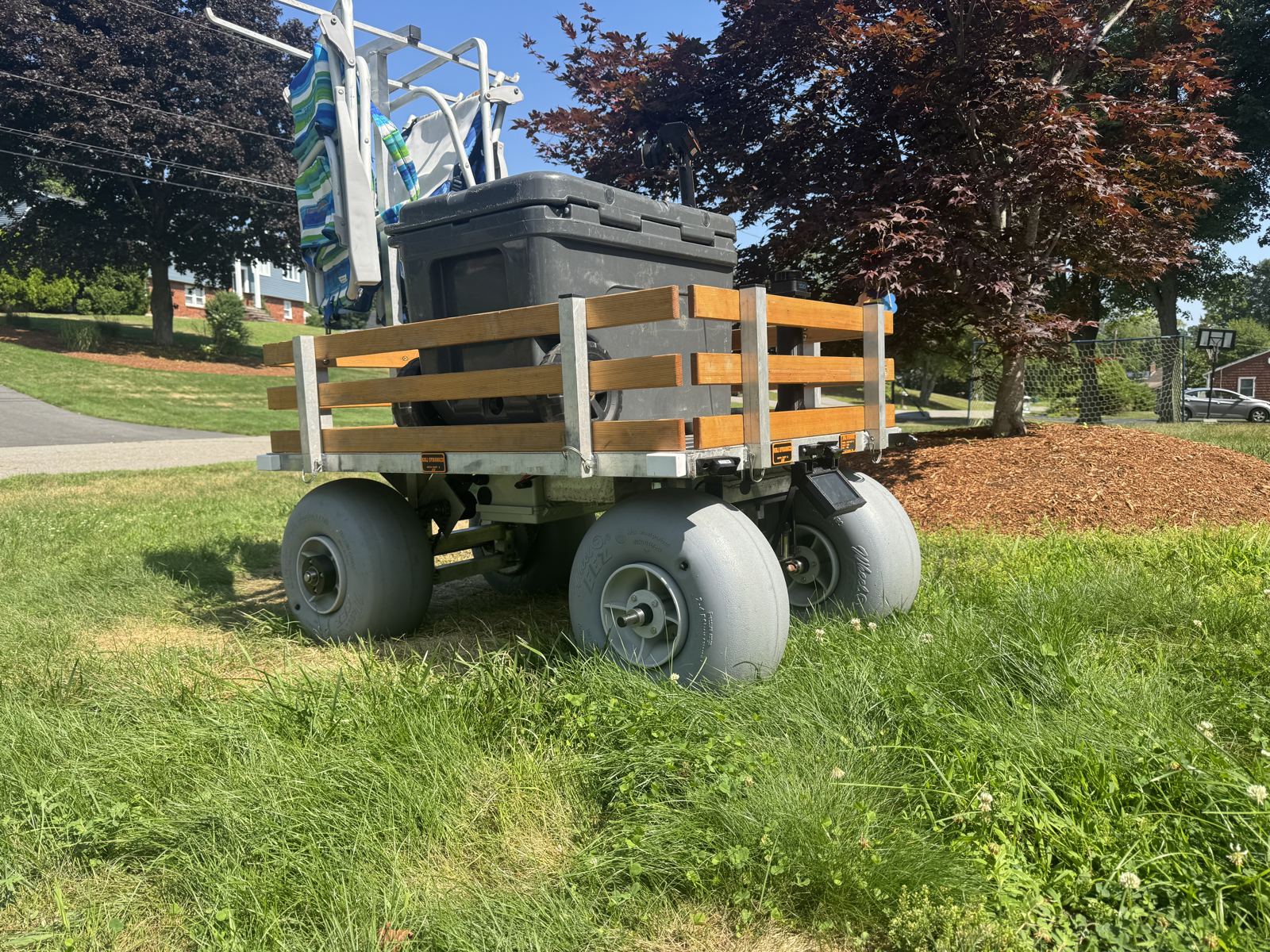
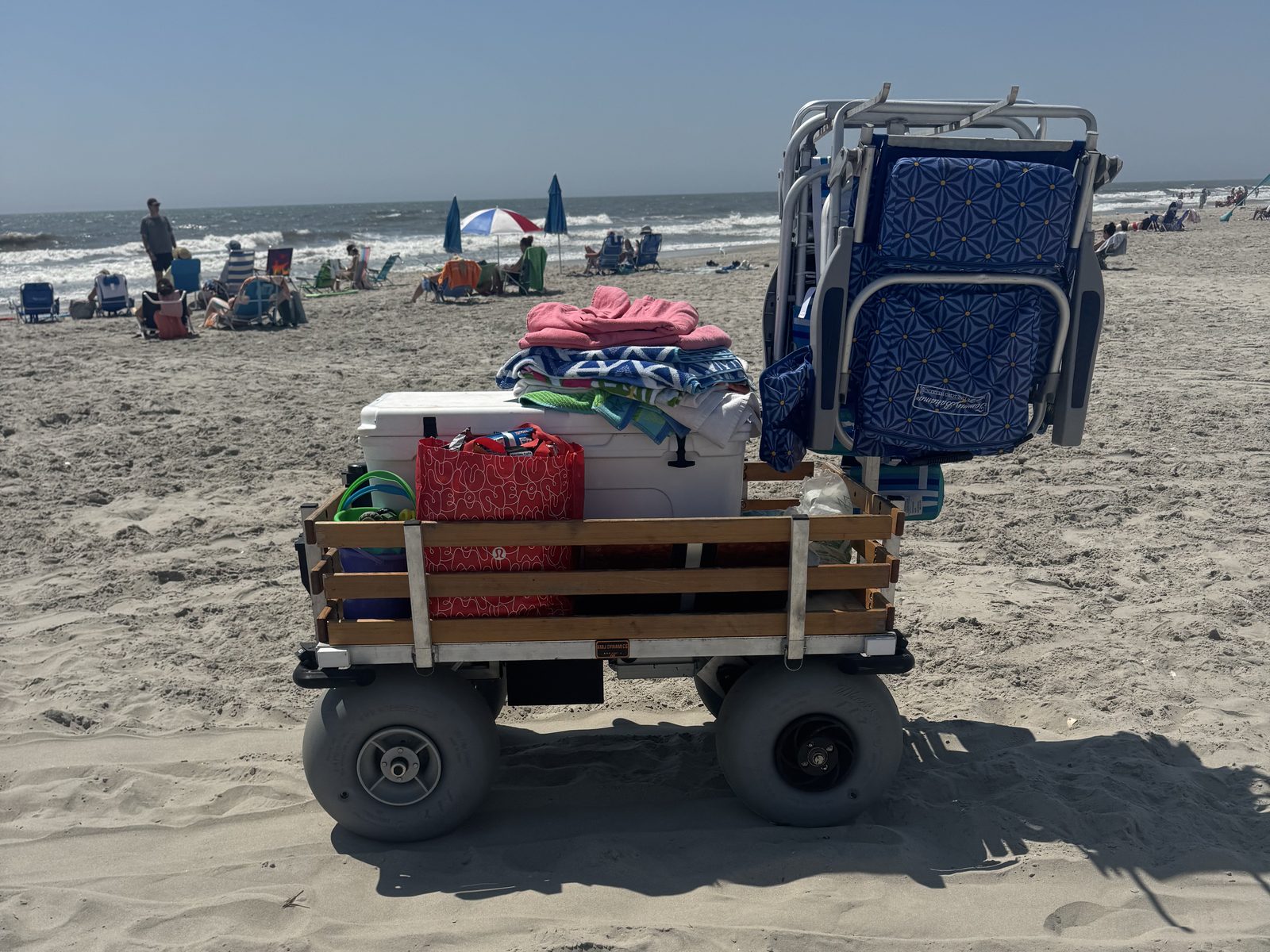
It began with a familiar problem: a mountain of beach gear and soft sand that swallowed every wheel thrown at it. The answer became a full engineering project — AUTO-CART: a hand-welded aluminum cart on balloon tires, sized to haul 400+ lb of gear without complaint.

Nearly every part is designed, printed, wired, or written in-house: a drivetrain tuned to ease in smoothly under load, distributed power systems that keep sensitive electronics stable beside high-current motors, and enclosures built to survive sand and sun.

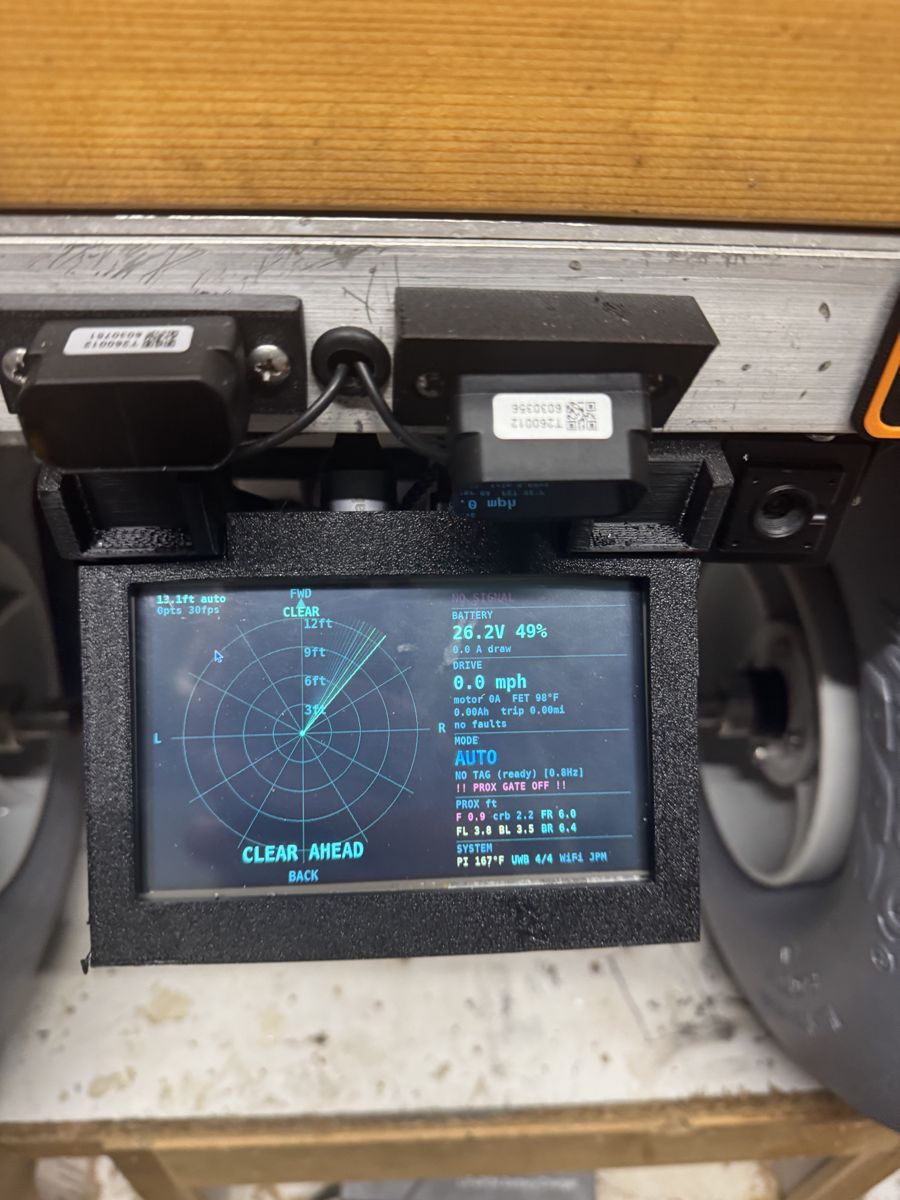
Then it got ambitious. A wearable UWB tag and four corner receivers fix the operator's position so the cart drives itself — hands-free — while a spinning 360° scanner steers it around people and stops it at curbs. Prefer to drive? A switch on the remote hands over full manual control.

Seen it on TikTok? That's this cart. Watch the viral follow-me video — 1.5M+ views →

More films — the full build story and how the follow-me system works — on YouTube → @KMJDynamics

{{ m.num }}

{{ m.title }}

{{ m.body }}

03 · How It Works
{{ f.num }}

{{ f.title }}

{{ f.body }}

04 · Engineering

Under the hood

The parts you never see — where most of the real engineering lives. Every one was designed, built, and debugged from scratch.

{{ d.tag }}

{{ d.title }}

{{ d.body }}

Want it bolt by bolt? The complete build package — the 53-page manual, measured cut sheet and blueprint, full parts list, and all the print files — is live. Get the Build Guide →

05 · Additive Manufacturing

Wheel hubs in carbon fiber

The stock hubs developed play under full motor torque — and when the wheels came apart, the PETG spacers had cracked clean through. The fix discards the factory hub entirely: each hub prints as two identical halves in carbon-fiber-reinforced nylon that lock into one solid body — mounting bell, tire barrel, and bearing boss in a single piece.

{{ p.tag }}

{{ p.title }}

{{ p.body }}

Face view of the printed hub: open web with six swirled vanes around a four-bolt center boss
Fig. 1 — Hub face, six-vane web
Cross-section drawing of the two-piece hub with grooved tire barrel and castellated center lock
Fig. 2 — Assembled cross-section
The old PETG wheel spacer cracked clean through by drive torque
Fig. 3 — The failure: cracked PETG spacer
Finished wheel: carbon-fiber nylon hub bonded into the balloon tire
Fig. 4 — Finished wheel, new hub
06 · Interactive Model

Explore the cart in 3D

A full interactive model built to real dimensions — spin it yourself, or let the guided tour orbit the frame, steering, drivetrain, and electronics. X-ray mode shows the wiring inside the frame.

Low-angle side view of the cart — the subject of the interactive 3D model
08 · The Shop

The KMJ Dynamics way

An independent shop with no blueprint handed down. Welded frames, custom power electronics, and autonomy code all come off the same bench — driven by one habit: keep building until the idea works in the real world.

{{ p.num }}

{{ p.title }}

{{ p.body }}

09 · Get One

The RC cart — who wants one?

Since the videos took off, the number-one question in my inbox has been "can I buy one?" For the full self-driving cart the honest answer is still not yet. But the remote-control version — the same welded frame, the same drivetrain and battery, driven from the transmitter instead of the follow-me brain — is something I can hand-build now. Before I commit to a first batch, I want a real head count.

Straight talk on price: expect $4,000–$5,000. I know that's real money. It costs that because nothing in it is the cheap version: a TIG-welded aluminum frame instead of folded sheet metal, two 3 kW motors where most store-bought electric wagons run a single 800-watt hub, a marine-grade 1.3 kWh LiFePO4 battery with a real battery-management system, an industrial 24V steering servo, 16.5" balloon tires, stainless hardware, and carbon-fiber-nylon printed parts. I've priced everything out there, and I haven't found a wagon you can buy that runs gear like this.

And straight talk on the money, too: I'm not building these to get rich. The price covers top-shelf parts and my build hours, with enough left over to help take care of my family. That's the whole business model.

This isn't a checkout page — it's a show of hands. No deposit, no commitment, no spam. If enough hands go up, I'll build a small first batch and email the list in order, first come, first served. (Holding out for the full follow-me version someday? Say so in your email — I'm keeping that list too.)

One email, subject "RC Cart Waitlist" — that's it. Price and specs are estimates until the first batch is finalized.

10 · FAQ

Questions people keep asking

The videos went a lot further than I expected, and the same questions keep landing in my inbox — including one big mix-up worth clearing up.

Is this the e-Beach Wagon?

No — and this mix-up happens a lot, so let me clear it up. The autonomous cart in the viral videos is this cart: a one-of-a-kind machine I designed and built myself. It drives itself — a radio tag you wear and four receivers on the corners track you, so the cart follows hands-free while a 360° lidar steers it around people and stops it at curbs.

e-Beach Wagon is an unrelated company. Their wagons are electric, but you drive them yourself with a thumb throttle — and as of August 2026 nothing they sell follows you or drives itself. Same goes for every store-bought electric beach wagon I'm aware of. If a search result or AI answer pointed you to a store page, that's not the cart from the video. This is.

Where can I buy one?

The full self-driving cart — not yet. There's exactly one, hand-built in my garage in 2026. But two things are live: the remote-control version has an interest list (expected $4,000–$5,000, hand-built on the same frame and drivetrain — see Get One above), and the complete build package is available now — the step-by-step guide, cut sheet, parts list, and 3D-print files to build your own. Email hello@kmjdynamics.com with subject "RC Cart Waitlist" for a built cart.

Who built it?

I did — KMJ Dynamics is a one-person shop. The welded aluminum frame, the 24V power electronics, the carbon-fiber-nylon printed hubs, and every line of the autonomy software came off the same bench. The whole build is documented publicly with dated videos: early follow-me tests in July 2026, and the viral video that passed a million views in August 2026. As far as I know, it's one of the first fully autonomous, UWB-guided beach carts of its kind — built before you could buy anything like it.

How does it follow you — no camera, no phone?

A small ultra-wideband radio tag on your wrist gets ranged by four receivers on the cart's corners, which pins your position many times a second — no camera, no phone, no GPS. The cart steers to keep tracking behind you, while a spinning 360° lidar watches for people and obstacles and stops it at curbs and drop-offs. Prefer to drive? A switch on the remote hands over full manual control any time.

Can you actually drive it with the remote?

Yes — and as far as I know, no store-bought beach wagon can say that. Every electric wagon you can buy today is walk-behind: the motor helps push, but your hands still do the steering through the handle. Mine is drive-by-wire. The front wheels turn on an industrial 24V steering servo and the drive motors take their commands over a radio link, so I can stand in one spot and drive it like a giant RC car — send it across the soft sand loaded while I carry nothing.

That architecture is also the honest answer to why this cart can follow you and the store-bought ones can't: the follow-me brain just moves the same wires the remote does. A wagon built around a hand throttle has nothing for an autopilot to steer.